Start with what the loom can do
Pattern, colour, and form began with the behaviour of thread, weave, and hand-led construction.
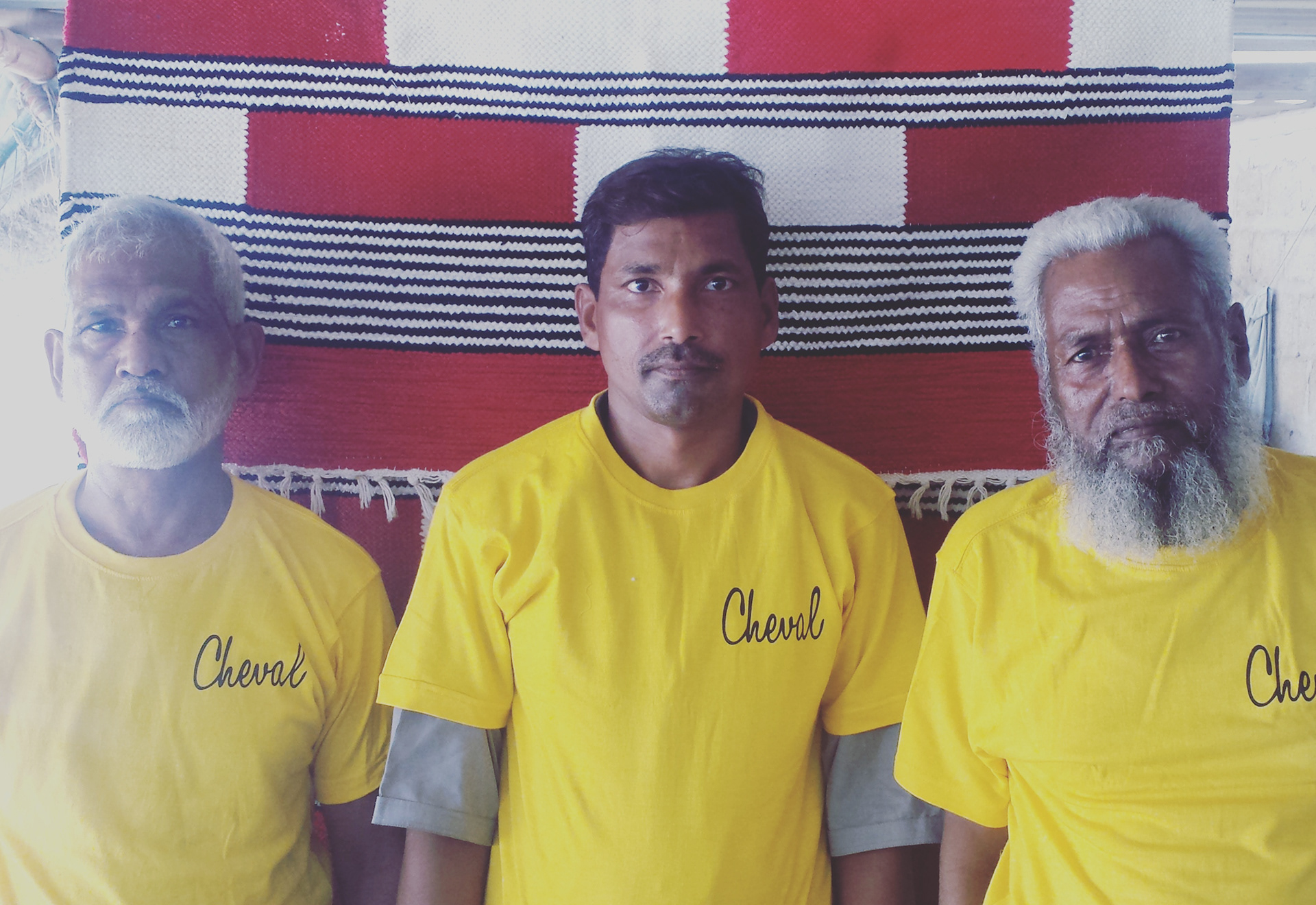
Cheval Rugs grew from my love of textiles and the people who make them. Drawing on my background in textile design and craft intervention, I worked with artisans to create a contemporary, cotton-led rug collection while keeping the hand behind each piece visible.
I wanted to understand how fibre, weave, colour, and the rhythm of making could shape the design itself. Cheval Rugs became my way of connecting contemporary textile design with the practical knowledge artisans bring to the loom.
My background in textile design introduced me to craft intervention: using design to work thoughtfully with established materials, techniques, and maker knowledge. I created Cheval Rugs to apply that approach to a real product—one that could feel contemporary while keeping the texture and character of hand production visible.
Add a new design point of view without erasing the knowledge already held by the maker.
Pattern, colour, and form began with the behaviour of thread, weave, and hand-led construction.
The artisan process informed the work instead of acting as only the final production step.
Naming, imagery, and identity helped people understand why the material and making mattered.
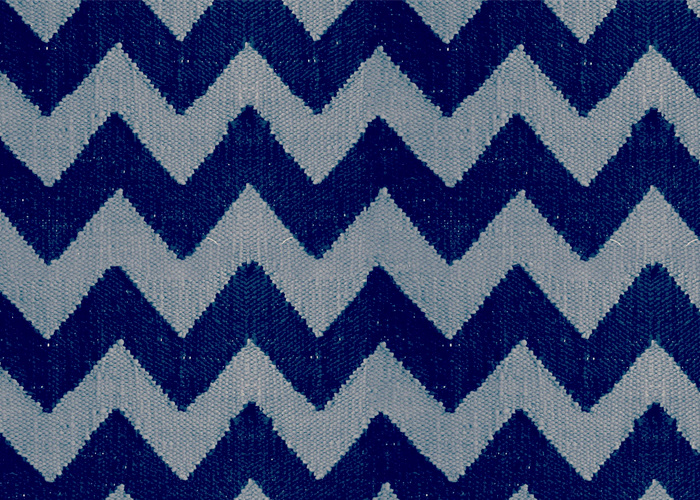
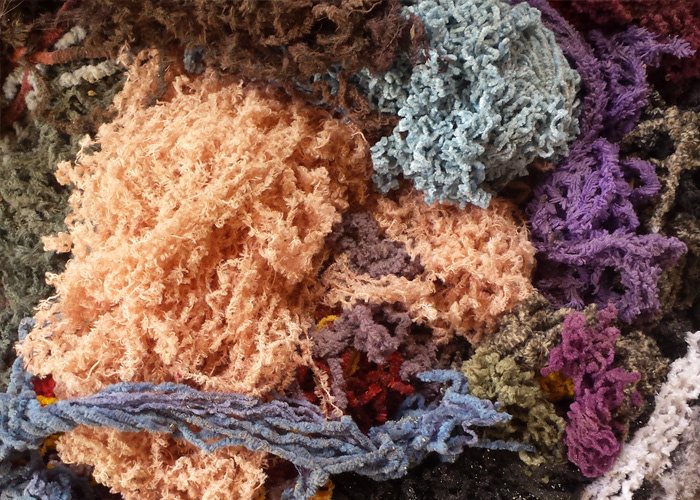
Working with artisans made the process physical and iterative. Ideas were tested in thread, adjusted through sampling, and refined around the behaviour of the material. The maker was not simply the last step; technique and judgement helped each rug find its form.
A line could soften in the weave, colours could shift beside one another, and a construction choice could completely change the surface. I used those discoveries to revise the work.
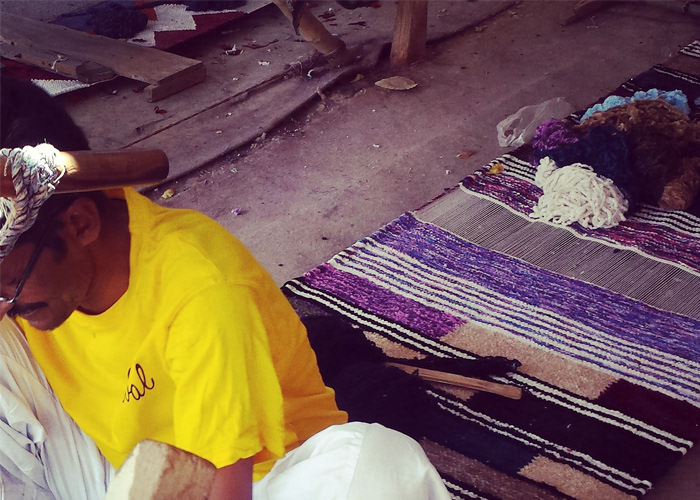
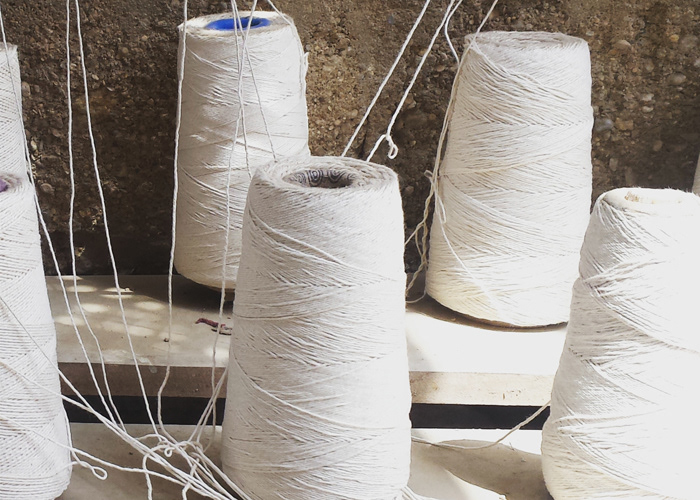
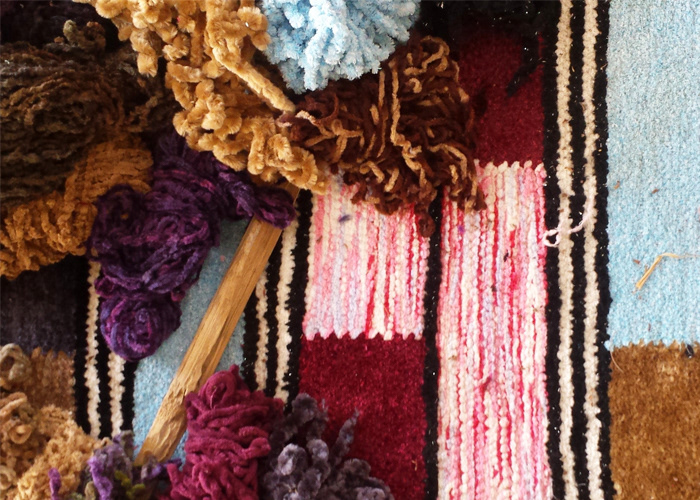
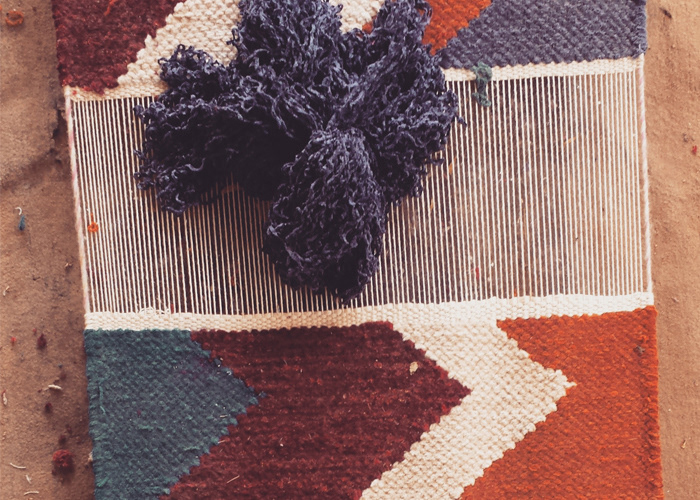
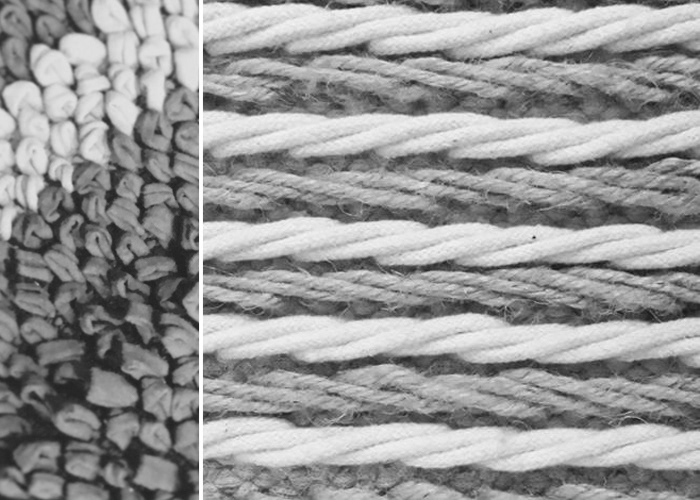
My intention was to work more slowly and thoughtfully: centre artisan knowledge, respect the limits of the material and loom, and design pieces with lasting value rather than treating craft as disposable décor.
The surviving project archive documents 15 designs. I grouped variations in pattern, colour, and construction into named families, then created product boards so each rug could be understood through its image, texture, size, and specification. Exploration became a clear range without making every rug look or feel the same.
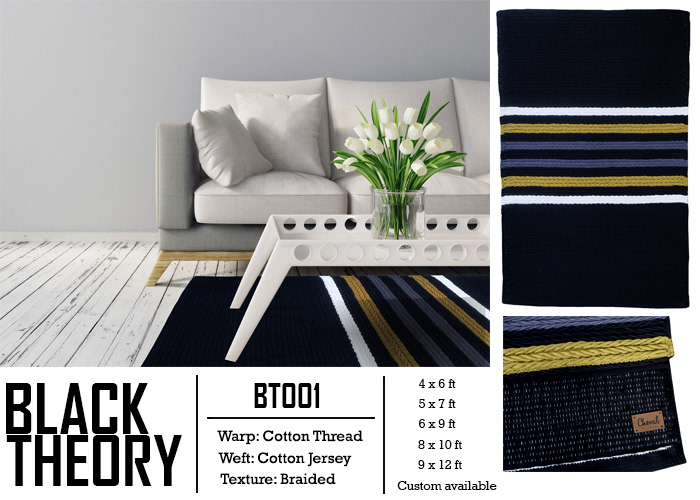
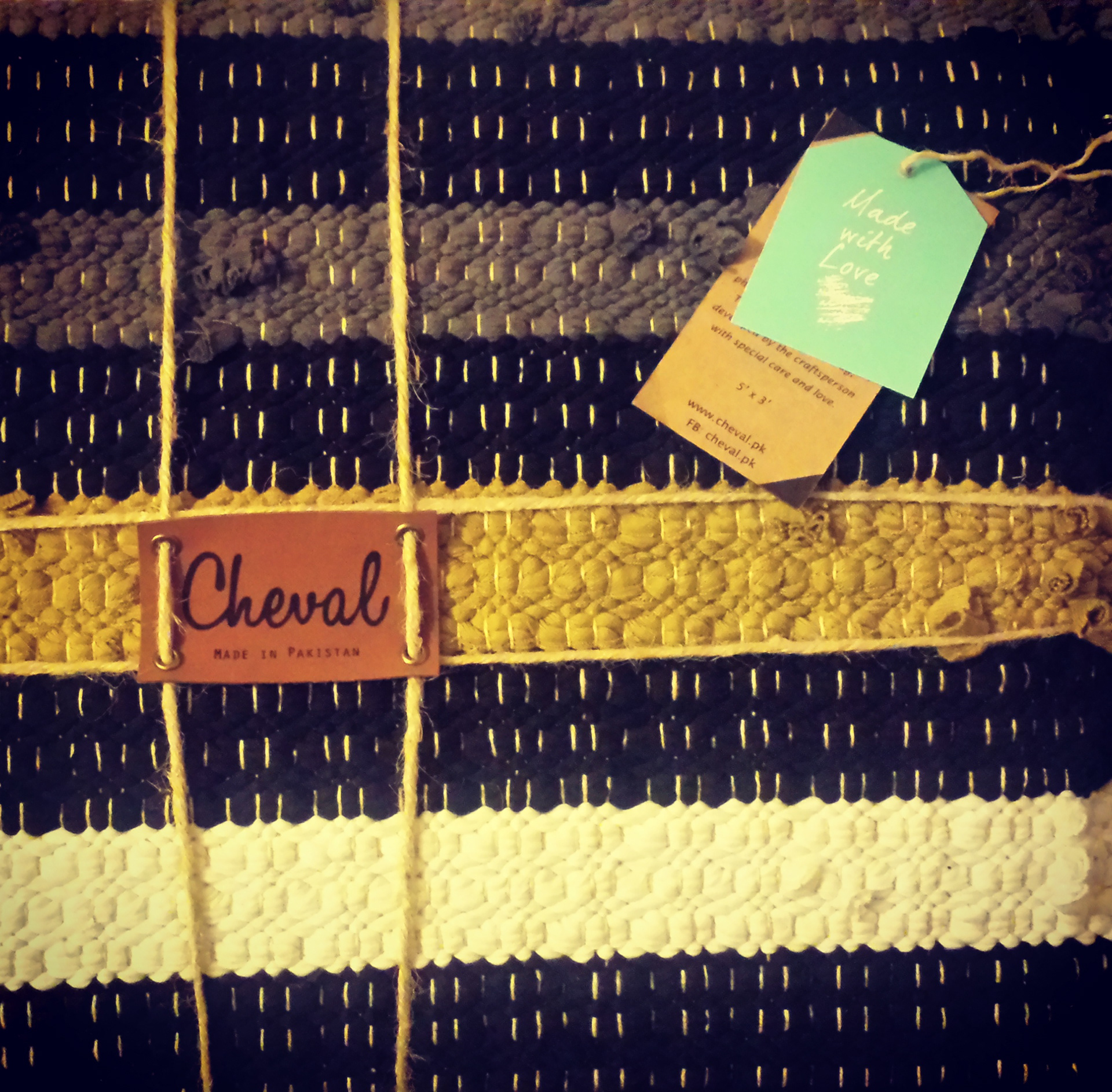
A strong product story would be lost if the brand showed only finished rugs. I built Cheval Rugs as a bridge between the workshop and the customer: a name, identity, labels, photography, and product information that made the range coherent while keeping material and craft at its centre.
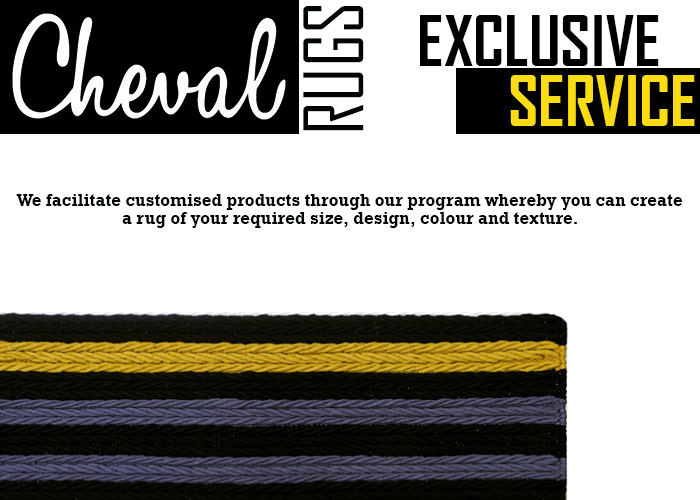
People could begin with the curated range or request changes in size, design, colour, or texture. The offer could respond to a home and a person without losing the visual language I had built.
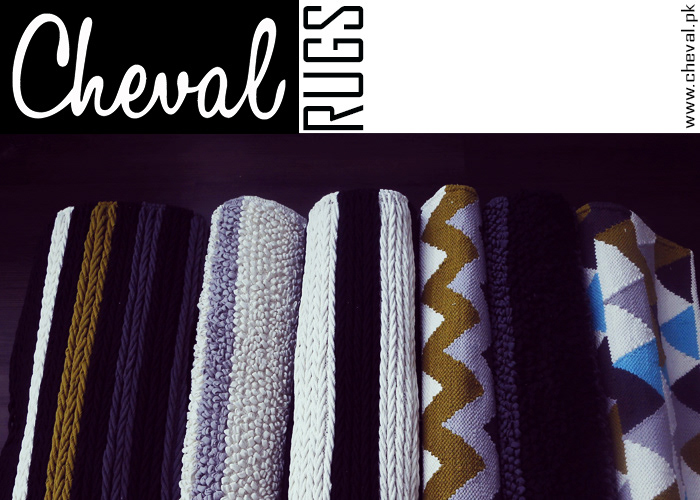
Cheval Rugs gave me a way to put my textile-design values into practice. Material experiments became a coherent collection, artisan production became part of the design story, and the brand gave customers a clearer way to understand the human and material value behind each rug.
The project confirmed the kind of designer I want to be: one who connects material, maker, product, and story.
Impact note: these are documented design and craft outcomes. The surviving project record does not include verified sales, environmental, or livelihood metrics.